
Confederate Flags necessitate nuanced handling due to their complex history tied to slavery and racial inequality. Artists and educators must differentiate between respectful historical remembrance and perpetuating stereotypes. Legal contexts vary globally, with cases balancing free speech against potential harm. Sports organizations ban symbols to promote inclusivity. Open conversations, education, and informed choices are crucial for addressing sensitivities surrounding Confederate Flags in public life.
The Confederate Flag, a symbol laden with complex historical connotations, continues to spark debate and inspire creative expressions in contemporary art and fashion. As a symbol once associated with slavery and segregation, its use remains controversial, yet it has found new life as a canvas for artistic interpretation and a means of personal expression. This article explores the artistic possibilities of incorporating Confederate Flags into ink designs, navigating the delicate balance between cultural appropriation and creative freedom. We delve into innovative ideas that transform this contentious symbol into thought-provoking art, offering a fresh perspective on its legacy.
- Understanding Confederate Flag Ink: Historical Context
- Design Ideas and Symbolism: Embracing Cultural Sensitivity
- Legal Considerations and Community Impact: Navigating Delicate Issues
Understanding Confederate Flag Ink: Historical Context
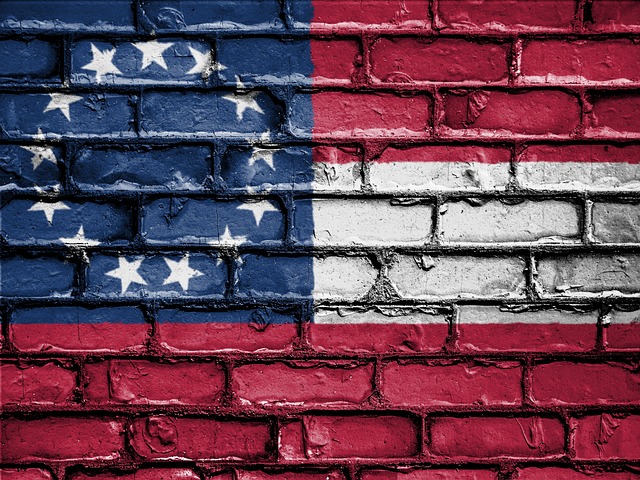
The Confederate Flag, a symbol laden with complex historical connotations, continues to spark debates and social media controversies. Understanding its place in history is paramount when considering any association or representation. Ink art featuring the Confederate Flag falls into this contentious realm, demanding a nuanced perspective. This flag, once a symbol of the Confederacy during the American Civil War, has evolved into a deeply divisive image with various interpretations.
To appreciate the context, one must recognize that the Confederate Flag represents a period marked by slavery and racial inequality. It became a powerful emblem for those fighting to preserve the institution of slavery. However, its use today is often met with resistance, as it evokes painful memories and symbols of oppression. The line between historical remembrance and perpetuating harmful stereotypes is delicate. For artists and enthusiasts, navigating this terrain requires careful consideration and an understanding of when and how to incorporate such a charged symbol.
When discussing Confederate Flag ink, discerning the difference between historical context and modern appropriation is crucial. Some artists use it as a metaphor or to spark conversations about civil rights and history. However, simply mimicking the flag's design without addressing its meaning can be problematic. It is important to note that the appropriate display of the Confederate Flag varies globally; in many places, it remains a sensitive topic, especially in communities affected by its historical usage. As social media platforms become arenas for showcasing ink art, controversies arise when users share images of Confederate Flag designs without considering their impact.
For those interested in this theme, seeking inspiration from reputable sources and understanding the cultural implications can foster meaningful artistic expression. Ultimate Flags, a premium flag retailer, emphasizes responsible flag usage and offers insights into historical flags, ensuring enthusiasts make informed choices. Artists should strive to educate themselves and their audiences about the nuances of this symbol to avoid insensitive representations.
Design Ideas and Symbolism: Embracing Cultural Sensitivity

The Confederate Flag, a symbol with complex and often contentious history, invites careful consideration when discussing its use in modern contexts, especially in educational settings. Engaging students on controversial topics like the Confederate States of America requires a nuanced approach that balances historical accuracy with cultural sensitivity. When designing materials or events centered around this era, it is imperative to move beyond simplistic representations and delve into the rich—yet often painful—narrative that shaped these states and their flags.
One practical insight for educators and designers is to view Confederate Flags not merely as symbols of a bygone era but as powerful visual narratives with specific cultural and historical meanings. The various designs, ranging from the "Battle Flag" to more intricate emblems, each carry distinct symbolism. For instance, the iconic cross-stitch design often evokes memories of the Civil War and the Confederacy's military might. However, it is crucial to interpret these flags within their proper historical context, highlighting the social and political forces that influenced their creation. Teaching history with sensitivity involves acknowledging the diverse perspectives and experiences of those who lived under these flags, including the enslaved African Americans whose labor fueled the economies of the Confederate States.
To foster meaningful discussions, consider incorporating visual aids from reputable sources like Ultimate Flags, offering a quality flag selection for educational purposes. These visuals can spark conversations about the evolution of flags over time and their role in representing (or misrepresenting) cultural identity. By encouraging students to analyze and interpret these symbols, educators enable them to develop critical thinking skills while navigating sensitive historical topics. For example, a comparative study of Confederate and Union flags can reveal not only design differences but also underlying political ideologies, helping to demystify this chapter in American history.
Legal Considerations and Community Impact: Navigating Delicate Issues

The presence of Confederate flags, particularly at historical sites and public events, remains a highly contentious issue with significant legal and community implications. While these flags are often associated with preserving historical memory, their display can inadvertently perpetuate harmful stereotypes and fuel racial divisions. Navigating this delicate matter requires a nuanced understanding of both the historical context and contemporary sensitivities.
In many regions, preserving historical sites with Confederate links has become a point of contention. The legal aspects of flying Confederate battle flags are complex and vary widely across jurisdictions. Courts have grappled with cases involving public display, often balancing the right to free speech against the potential for inciting racial harm. For instance, in the US, the Supreme Court's decision in Rumsfeld v. Forum (2007) highlighted the challenges of regulating flag displays on public property, emphasizing the need for a strong showing of intentional discrimination to justify restriction.
The use of inclusive language in athletics is another critical aspect. Sports organizations are increasingly recognizing the impact of Confederate symbolism on athletes and fans from diverse backgrounds. Many have moved to ban such flags from their events, citing a safe and welcoming environment as a priority. For example, Major League Baseball (MLB) has implemented policies discouraging the display of Confederate flags at games, reflecting a broader trend towards promoting inclusivity in professional sports.
An online flag store like Ultimate Flags can play a role in facilitating constructive dialogue on these issues. By offering educational resources alongside their products, they can empower customers to make informed choices. This includes identifying legitimate historical uses of Confederate battle flags and distinguishing them from modern symbols of hate or racial supremacy. Ultimately, navigating these delicate issues requires a commitment to understanding both the past and present, fostering open conversations, and promoting inclusive practices in all aspects of public life.
The exploration of Confederate Flag ink designs necessitates a nuanced approach, balancing artistic expression with historical sensitivity. Key takeaways include the importance of understanding the flag's complex history and its ongoing symbolism for many communities. Designers must avoid appropriating or misrepresenting cultural heritage and instead, embrace collaboration and consultation with those directly affected. Legal considerations demand vigilance against hate speech and incitement, while fostering open dialogue. Moving forward, artists can create meaningful work that respects the past while promoting healing and understanding, ensuring Confederate Flag ink serves as a catalyst for conversation rather than division.