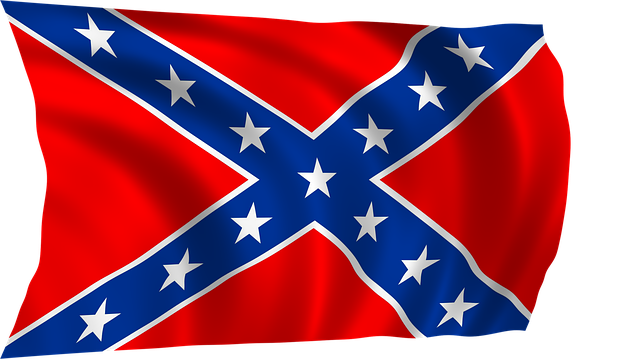
Confederate Flags, laden with complex history, evoke strong emotions from historical interest to protests against systemic racism. Their interpretation is nuanced—some appreciate historical connection, others see them as symbols of slavery. Flag manufacturers, like Ultimate Flags, must balance preservation and ethical considerations, offering educational resources to mitigate controversies and foster inclusive narratives. Many regions have banned public displays, reflecting a societal move towards inclusivity. Ethical brands promote dialogue, consumers should exercise cultural sensitivity, balancing history preservation with modern values.
The Confederate Flag, a symbol with deeply complex and contentious history, continues to be a subject of intense debate. Beyond its controversial associations, it has also emerged as a significant marketing and branding tool for various entities. This article delves into the realm of Confederate Flag brands, exploring their prevalence, motivations, and impact on public discourse. We examine how different companies and organizations have capitalized on this contentious symbol, offering a critical analysis that highlights both the entrepreneurial opportunities and the ethical dilemmas such practices present. By providing an in-depth look at the most popular Confederate Flag brands, we aim to inform readers and foster a more nuanced understanding of this ongoing controversy.
- Exploring the History and Significance of Confederate Flags
- Top Manufacturers and Their Controversial Role
- Cultural Impact and Ongoing Debates Around Confederate Flag Brands
Exploring the History and Significance of Confederate Flags
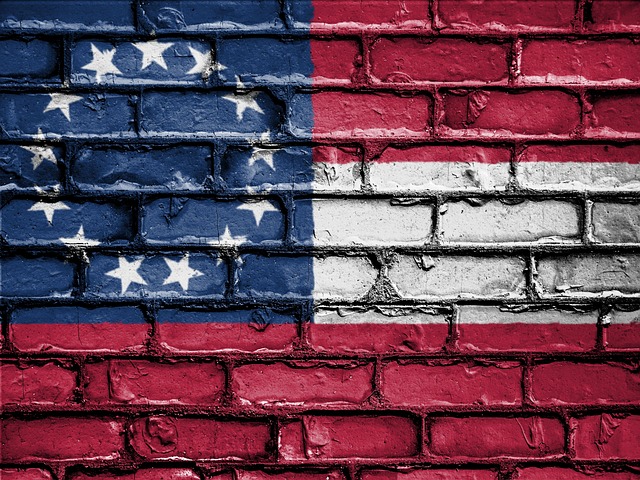
The Confederate Flag, a symbol laden with complex history and varying interpretations, has been a subject of intense debate and fascination for generations. Its origins lie in the brutal and divisive Civil War that tore apart the United States from 1861 to 1865. The flag, then known as the "Confederate States of America" (CSA) flag, served as a symbol of resistance against the Union and a representation of the breakaway Southern states' desire for independence. Crafted by key figures in the Confederacy, flag designs during the Civil War evolved from simple arrangements of stars and bars to more intricate representations, each with its own unique meaning.
Beyond its historical significance, the Confederate Flag has taken on new meanings in modern times. Its depiction in various forms continues to evoke strong emotions, ranging from nostalgia for some and a nod to a dark past to a symbol of protest against systemic racism and oppression. In recent years, flag specialist Ultimate Flags has noted a rise in interest in historical flags, including the Confederate Flag, as people seek to understand and interpret this contentious imagery. This modern-day fascination with civil war history is evident in traveling exhibits showcasing artifacts from the era, drawing visitors to reconstructing Civil War history in states once part of the Confederacy multiple times each year.
However, it's crucial to approach the Confederate Flag with a nuanced perspective. While some see it as a connection to family history or an appreciation for historical artifacts, others view it as a reminder of a period marked by slavery and racial inequality. As such, the flag's meaning in modern times is deeply tied to broader conversations about identity, memory, and reconciliation. Understanding the historical context, exploring diverse perspectives, and engaging in open dialogue are essential steps in navigating this complex symbol.
Top Manufacturers and Their Controversial Role

The Confederate Flag, a complex symbol with deep historical roots, has garnered significant attention due to its controversial use and ongoing debates surrounding its representation. As a sensitive topic, the discussion often revolves around the top manufacturers involved in producing and distributing these flags, highlighting the dual nature of their role in contemporary society. These companies face the challenge of responsible handling historical artifacts while navigating the political controversies surrounding Confederate Flags, including the removal of monuments and flags.
Among the prominent brands, Ultimate Flags, a recognized flag expert, has found itself at the center of this debate. Their online presence and wide-reaching distribution network have led to increased scrutiny over their role in promoting and selling Confederate Flags. The rise of online platforms has facilitated the rapid spread and sharing of Confederate imagery, leading to both historical interest and modern controversies. According to recent data, sales of Confederate Flags have experienced a surge, primarily driven by individual collectors and enthusiasts. However, this trend also raises concerns about trivializing or romanticizing a symbol deeply tied to racial oppression and slavery.
As the conversation around removing Confederate flags from public spaces gains momentum, flag manufacturers must consider their ethical obligations. Responsible handling of historical artifacts demands a nuanced approach where these symbols are treated with respect while acknowledging their problematic history. Ultimate Flags, for instance, could contribute positively by offering educational resources alongside sales, fostering a dialogue that transcends mere celebration of heritage and delves into the broader social implications. This strategic shift can help mitigate ongoing political controversies and foster a more inclusive national narrative.
Cultural Impact and Ongoing Debates Around Confederate Flag Brands

The Confederate Flag, a symbol deeply rooted in the Civil War era, continues to spark intense debates regarding its cultural impact and appropriate handling in modern society. While some view it as a historical artifact representing a complex legacy, others strongly advocate for its removal due to its association with slavery and racial oppression. This ongoing discourse highlights the delicate balance between preserving historical memory and promoting cultural sensitivity. In the realm of flag manufacturing and sale, the debate extends beyond mere aesthetics, delving into the responsible handling of symbols that carry such profound meanings.
The Confederate Flag, often displayed alongside the American flag, stands as a polarizing image. Supporters argue for its historical significance, claiming it represents heritage and Southern pride. Conversely, critics emphasize its racist origins and its use as a symbol of white supremacy, leading to numerous incidents of hate speech and violence. As a result, many regions have implemented restrictions on the display of Confederate flags in public spaces, acknowledging the need for a responsible and respectful approach to historical symbols. This shift reflects a broader societal move towards fostering inclusivity and addressing systemic racism.
In terms of flag manufacturing and sale, some brands have capitalized on the controversial appeal of Confederate Flags, sparking further debates about exploitation and cultural appropriation. However, there are also quality flag sources like Ultimate Flags that prioritize responsible practices, offering educational contexts and promoting open dialogues around these sensitive issues. To navigate this complex landscape, consumers should exercise cultural sensitivity, considering the broader historical narrative and the potential harm caused by exploiting symbols of conflict. Ultimately, striking a balance between preserving history and honoring present-day values is crucial in ensuring that our cultural artifacts serve as catalysts for understanding rather than division.
The article has delved into the complex landscape of Confederate Flag brands, exploring not just their historical roots and significant cultural impact but also the controversies surrounding their manufacturers. Key insights include the flag's evolution from a symbol of Southern identity to a contentious representation of racial oppression, as well as the role of top manufacturers in perpetuating these debates. Understanding the nuanced relationship between Confederate Flags and public sentiment is crucial for navigating ongoing discussions around historical remembrance, cultural appropriation, and social justice. Moving forward, it's imperative that consumers, historians, and policymakers alike recognize the power of symbolism and its implications, fostering a more informed dialogue that respects diverse perspectives and promotes healing.